or call: +1 (845) 347-8894



or call: +1 (845) 347-8894
Qualtrics has named veteran enterprise software leader Jason Maynard as its Chief Executive Officer, marking a strategic pivot toward AI-driven experience and intent-based solutions as the company scales its technology and market reach.
Qualtrics is positioning its next strategic phase precisely at that inflection point. But this isn’t hype. It’s a response to a world where customer signals are noisier, workflows are hybrid, and business outcomes hinge on detecting what’s next rather than reporting what’s past.
“The best advice I ever got when I joined NetSuite was simple: start by listening,” Maynard shared. “So that’s what I’m doing. I’ll be spending my first weeks listening to customers, partners, and employees to understand their experience, what’s working, and what we can do to deliver even more value.”
Intent tech isn’t a single product category. It lives at the intersection of behavioral signals, real-time analytics, and automated decision action, a place where systems interpret motivations and suggest or execute outcomes without constant human intervention.
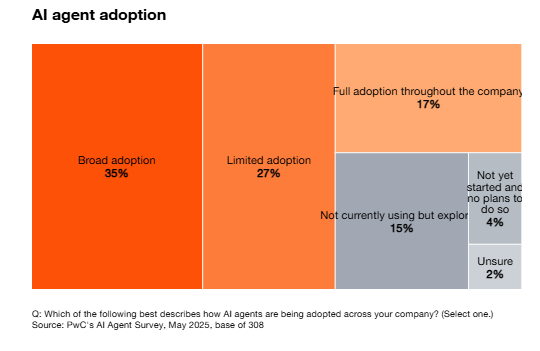
That’s increasingly critical: recent data shows a dramatic surge in enterprise investment in agentic AI, systems capable of planning and executing multiple steps in a workflow, with 79% of organizations reporting some level of deployment and nearly half allocating major portions of their AI budgets to these capabilities. This is strategic infrastructure.
This is where Qualtrics’ 2026 strategy matters. The company has moved beyond treating feedback as a retrospective data silo. Its roadmap emphasizes integration of AI that doesn’t just score sentiment but triggers contextual action from the moment intent is detected. Think of it as shifting from descriptive analytics to orchestrated response engines, a capability that high-performing companies are increasingly embedding into their core operations.
Predictive signals inform next-best offers long before a customer clicks “buy”, while intent cues can reduce wasted spend by reducing mismatched outreach.
The appeal is in predictable workflow automation that tightens ROI measurement and reduces attrition costs linked to reactive support. CISOs, on the other hand, will care about how these systems surface early risk indicators without exposing sensitive patterns, a balance that stops short of unfettered data collection but still informs protective action.
Embedding intent engines at scale demands disciplined governance and enterprise data maturity that many firms simply don’t have.
AI agents can misinterpret context or amplify bias at scale if oversight isn’t baked into deployment models. The appetite for autonomous decision-making raises real ethical questions, especially in regulated industries where transparency isn’t optional.
Closer to intent tech. The value now comes from connecting signals to automated action inside CRM, support, and product systems. If it only measures sentiment, it’s just another dashboard.
Mostly through prevention. Catch churn risk earlier, route high-value customers faster, and reduce repeat tickets. Small operational fixes compound into meaningful margin gains.
CRM records what happened. Analytics explains why it happened. Intent platforms try to predict what happens next and trigger a response. Different layer, different job.
Bad data and blind automation. Models misread context, escalate the wrong cases, or create compliance exposure. Without governance and human checkpoints, efficiency gains can backfire fast.
All of them, but for different reasons. Marketing gets precision, security gets early anomaly signals, and finance gets predictability. The catch is alignment. If teams stay siloed, the tech underperforms.
Stay ahead of buyer signals. Explore Intent Tech Insights today.
To participate in our interviews, please write to our IntentTech Media Room at info@intentamplify.com